
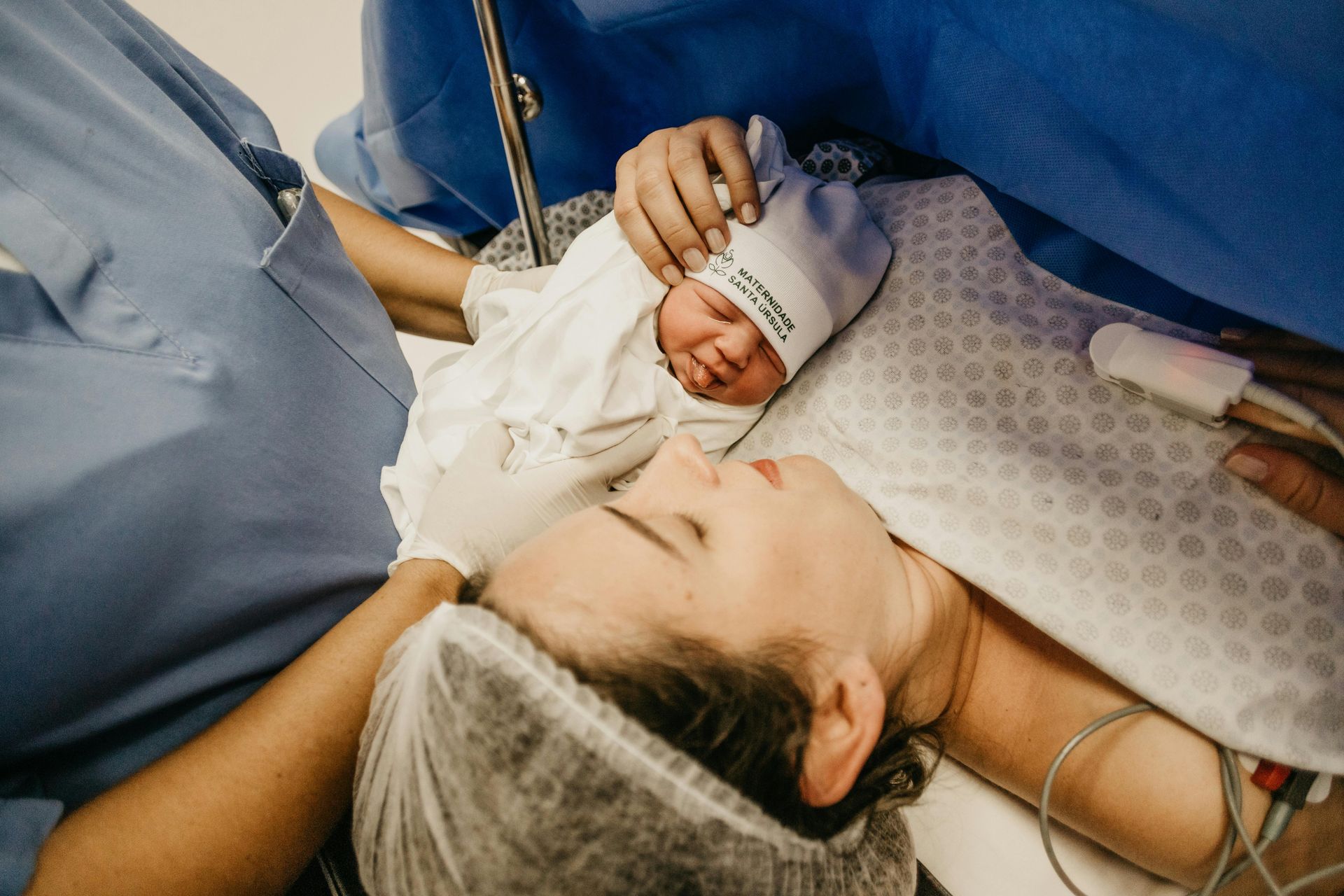


Fear of childbirth (tokophobia): how perinatal therapy can help you prepare

November 15, 2026

An overwhelming fear of giving birth has a clinical name: tokophobia. It is more than the nervousness most expecting mothers feel. For some women, the fear is intense enough to affect sleep, avoid prenatal appointments, or even shape decisions about whether to become pregnant at all.

I'm Karla Hernández, LCSW, founder of Alma de Madre and a perinatal and postpartum therapist. I have worked with mothers who could recite every complicated statistic from memory but could not say out loud how terrified they actually were, because fear of birth is one of the most isolating things to admit when everyone around you assumes you should just be excited. If this sounds familiar, you are dealing with something real and treatable, not something to be embarrassed about.

What is tokophobia?

Tokophobia is a severe, often overwhelming fear of pregnancy or childbirth. It goes beyond typical nervousness about labor and can involve panic, avoidance, and intrusive fear that follows a woman through much of her pregnancy.

Type What it looks like
Primary tokophobia Intense fear that develops before ever being pregnant, often linked to frightening birth stories, anxiety, or past trauma
Secondary tokophobia Fear that develops after a previous difficult or traumatic birth, miscarriage, or medical experience

What tokophobia can feel like day to day

  • Distress or panic when a pregnancy is confirmed, even a wanted one
  • Avoiding prenatal appointments or ultrasounds out of fear of what they might reveal
  • Nightmares or intrusive thoughts about labor
  • A persistent sense of being out of control over your own body
  • Requesting a C-section specifically to avoid vaginal birth, even without medical need

How this differs from ordinary birth nerves

Most expecting mothers feel some anticipation about labor, and that is not tokophobia. What separates it is the intensity and how far it reaches into daily life. A mother with ordinary nerves might feel butterflies before a checkup. A mother with tokophobia might reschedule the checkup three times, or spend the night before it awake, bracing for news that has not even happened yet.

I also want to name something that gets missed often: tokophobia does not always look like visible panic. Some of the most fearful clients I have worked with presented as perfectly calm on the surface, almost eerily organized, because staying in tight control of every detail was the only way they knew to manage the terror underneath. If you have been told you seem "so prepared" while secretly falling apart inside, that contradiction is not confusing to me. It is one of the most common presentations I see.

What causes fear of childbirth?

Fear of childbirth develops from a mix of personal history, stories absorbed over a lifetime, and the nature of birth itself as an event that cannot be fully controlled.

  • Frightening birth stories. Hearing traumatic birth accounts from family, friends, or media shapes expectations long before pregnancy begins.
  • A history of anxiety or trauma. Past sexual trauma, medical trauma, or an anxiety disorder can all heighten fear of childbirth specifically.
  • A previous difficult birth. For women with secondary tokophobia, an earlier traumatic delivery, miscarriage, or medical complication leaves a lasting imprint.
  • Fear of pain or loss of control. Worry about the intensity of labor pain, medical procedures, or losing autonomy during delivery are among the most commonly reported fears.

If your fear traces back to a prior loss rather than the birth process itself, it can help to sit with that grief directly. My guide on pregnancy loss support groups in Los Angeles covers spaces built specifically for that kind of processing.

Fact or myth: common beliefs about fear of childbirth

Belief Reality
"If I'm scared, it means I'm not ready to be a mother." Fear of birth has nothing to do with your readiness or capacity to parent. It is a specific, treatable fear response.
"This fear will just go away once I'm further along." For many women, fear intensifies as the due date approaches without support to process it.
"There's nothing I can do to prepare emotionally, I just have to get through it." Therapy, birth planning, and processing past experiences can meaningfully reduce fear before labor begins.
fear of childbirth (tokophobia)

How can therapy help with fear of childbirth?

Processing what is underneath the fear

In my perinatal and postpartum therapy sessions, I go beneath the surface fear of pain or complications to understand what is really driving it, whether that is a past trauma, a loss of control, or an unprocessed birth story that was never fully yours to carry. Naming the real source of the fear is often the first step toward loosening its grip.

Working through past birth trauma

For women whose fear stems from a previous traumatic birth or pregnancy loss, my birth trauma therapy work focuses specifically on processing what happened so that the next birth is not shaped entirely by fear of a repeat experience. This is not about pretending the last birth did not happen. It is about making sure it does not silently write the story of the next one.

Building a plan that restores your sense of control

Fear of childbirth often centers on a loss of control. Part of my work with clients involves building a clear birth plan, practicing grounding tools for labor itself, and preparing you to advocate for your own boundaries and choices with your medical team. If day-to-day anxiety is also part of what you are carrying alongside the fear of birth specifically, my post on reducing anxiety while pregnant offers grounding strategies you can start using right away, outside of session.

What building a birth plan actually looks like in session

This is not a worksheet you fill out alone. I talk through with you what specifically feels most out of control, whether that is being touched without warning, not understanding a medical term in the moment, or not having your questions taken seriously. From there, I help you build language you can practice saying out loud before you ever need it in a delivery room, so your voice does not disappear the moment fear takes over.

We also talk through who is in the room with you, because fear of childbirth often intensifies when a mother feels like she will be managed rather than listened to. Sometimes the plan includes specific phrases for your partner or doula to use on your behalf if you go nonverbal from panic. Having that backup in place, decided calmly in advance, takes pressure off the version of you who might not be able to advocate clearly in the moment.

Why waiting rarely makes it easier

A common instinct is to avoid thinking about the fear at all, hoping it will feel more manageable once the due date arrives. In my experience, the opposite tends to happen. Avoidance keeps the fear vague and unstructured, which makes it feel bigger. Naming it specifically, session by session, is what actually shrinks it down to something workable.

What if you have a chosen date approaching and no time to wait?

Some women reach out only weeks before their due date, after avoiding the topic for months because saying the fear out loud felt like admitting defeat. If that is you, it is not too late to start. Late-pregnancy work looks different, it is more focused, more practical, and less about unpacking every root cause and more about building a workable plan you can lean on in the delivery room itself.

What that focused work covers

  • A short list of grounding phrases you can say out loud when panic starts to rise mid-labor
  • Clear language for the two or three boundaries that matter most to you medically
  • A plan for who speaks for you if you cannot advocate for yourself in the moment

None of this erases fear completely, and it is not meant to. The goal is not walking into birth feeling nothing. It is walking in with somewhere to put the fear besides your own chest. I have watched clients go from unable to say the word "delivery room" without their voice shaking to walking in with a written plan, a support person briefed on their boundaries, and language ready for the moments they used to dread most. The fear does not vanish. It just stops running the show.

What would it feel like to walk into your birth prepared instead of terrified?

You do not have to face this fear alone, and you do not have to wait until it becomes unmanageable to get support. Preparing emotionally for birth is just as valid a form of preparation as any birth class or hospital bag checklist.

I work with expecting mothers across Whittier, Los Angeles, and San Jose who want to move through pregnancy without dread hanging over every appointment. When you are ready to feel steadier heading into birth, book your consultation today.

Smiling woman in a cream knit top and olive pants with a bow belt, standing against a light background

Hello! I'm Karla Hernández

LCSW perinatal and postpartum therapist serving women in Los Angeles and surrounding areas

I help new moms in Los Angeles navigate postpartum anxiety, depression, and the emotional shifts of motherhood. After experiencing my own struggles, I saw how much real support is missing for mothers. My practice is here to change that, offering trauma-informed, compassionate care that meets you exactly where you are. You don’t have to do this alone.

Stack of baby milestone cards with a white quote card on top over a photo of a child being hugged.
anxiety during pregnancy
October 15, 2026
Feeling anxious during pregnancy? Learn why it happens, how it affects you and your baby, and how perinatal therapy can help you feel steadier again.

signs of postpartum anxiety
September 23, 2026
Learn the real signs of postpartum anxiety, how to tell it apart from normal new mom worry, and what practical steps actually help you find relief.

postpartum panic attacks
September 16, 2026
Postpartum panic attacks are real, physical, and terrifying but they are also treatable. Learn what causes them, what they feel like, and how to find relief.

depression during pregnancy
September 8, 2026
Depression during pregnancy is more common than most people realize. Learn the signs, what causes it, and how therapy can help you feel like yourself again.

 postpartum intrusive thoughts
August 31, 2026
Postpartum intrusive thoughts are more common than anyone admits. Learn what they are, why they happen, and how to know when to seek support.

ppd vs ppa
August 26, 2026
PPD and PPA feel different but are easy to confuse. Learn the key differences between postpartum depression and postpartum anxiety and what to do next.