

Depression during pregnancy (antenatal depression): signs, causes, and support
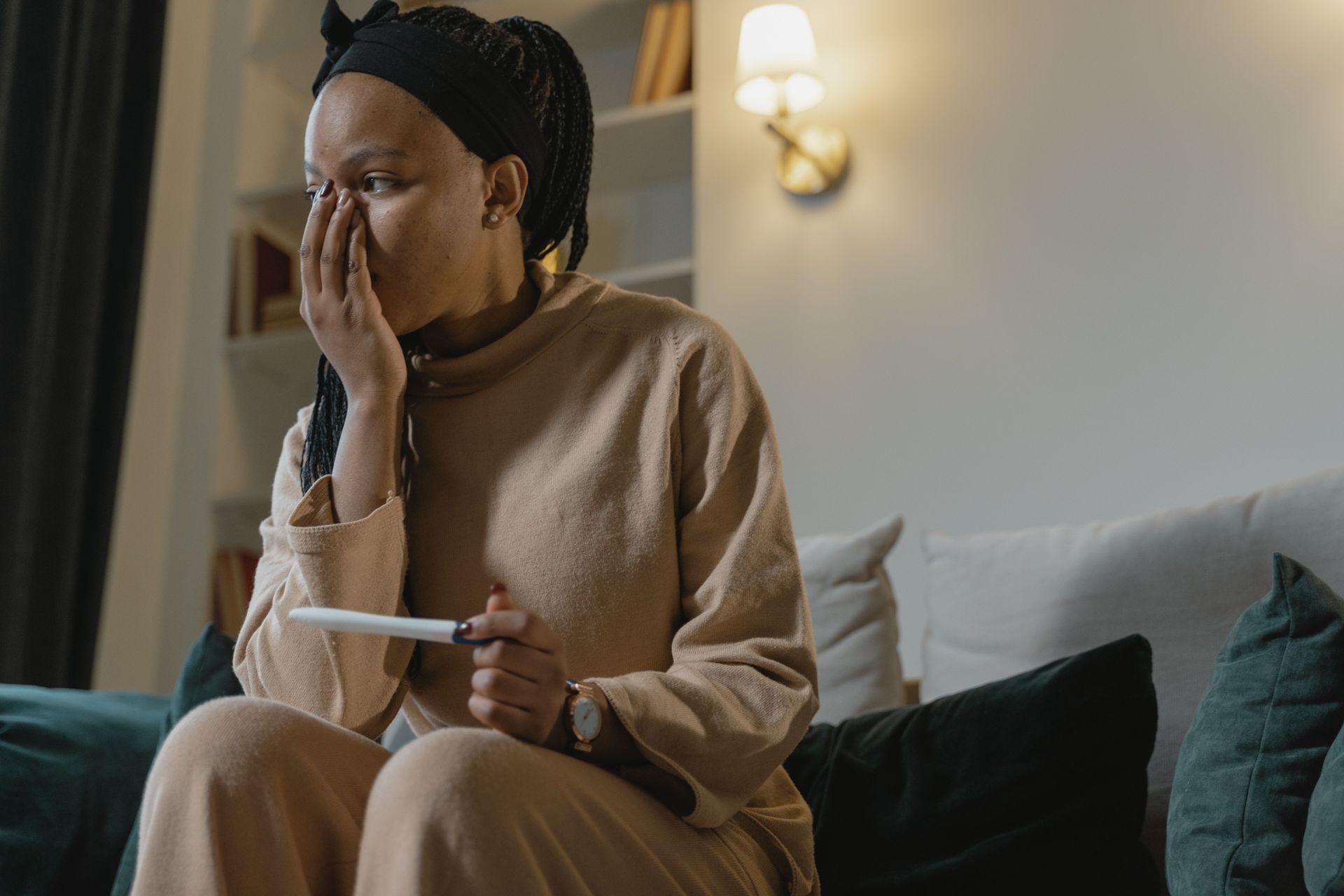
Roughly one in ten pregnant women experiences depression, yet pregnancy is often treated as a season where sadness is not supposed to exist. If you are pregnant and feeling flat, numb, hopeless, or disconnected from a pregnancy you may have wanted deeply, this is not a personal failing. It is called antenatal depression, and it is treatable.
I'm Karla Hernández, LCSW, founder of Alma de Madre and a perinatal and postpartum therapist. I have sat with this exact numbness myself, the kind where you love the baby you are carrying and still feel nothing when you expected to feel everything. This guide covers what antenatal depression looks like, why it happens, and how therapy can help.
What are the signs of depression during pregnancy?
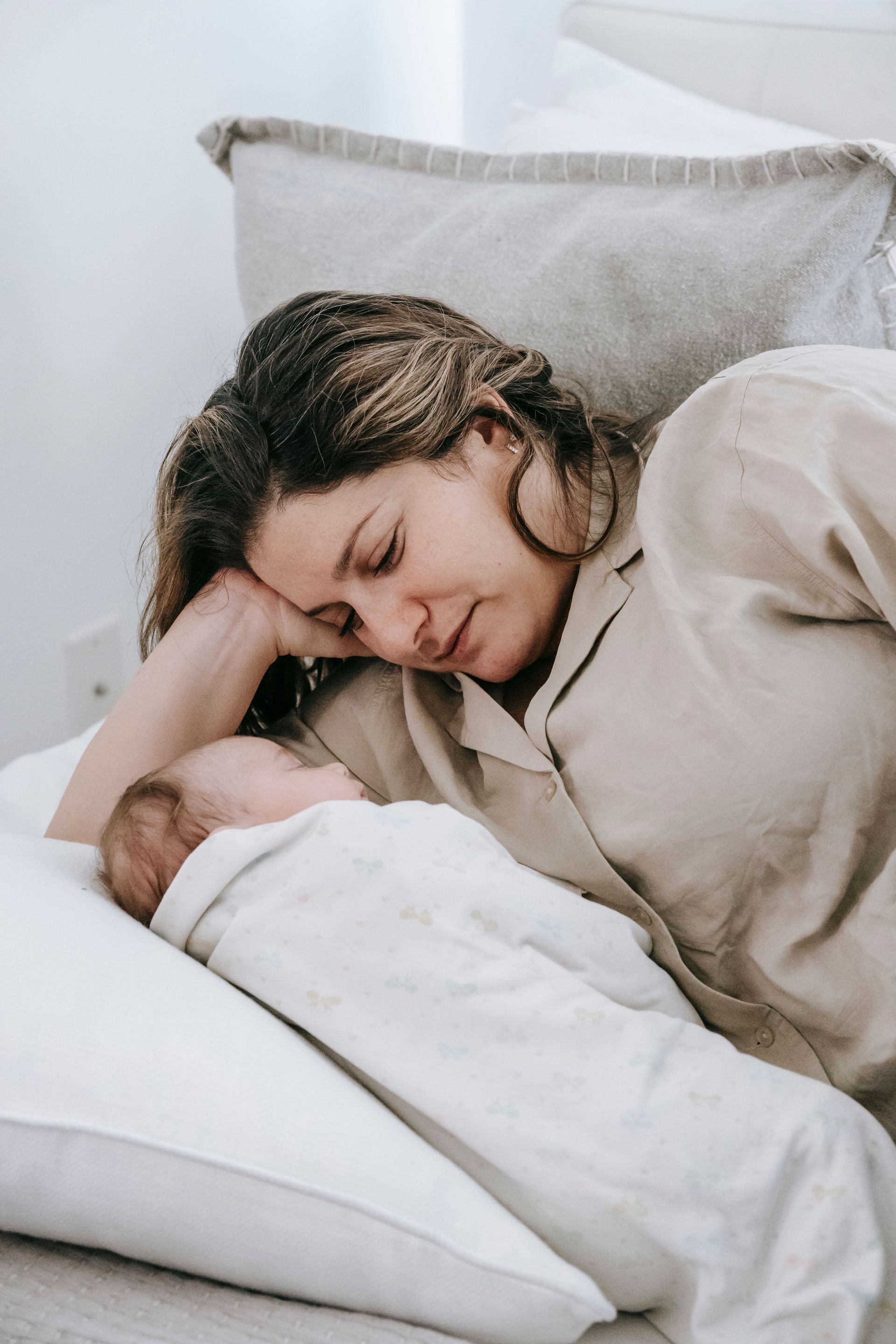
Antenatal depression does not always look like crying all the time. For many women, it looks like going through the motions of pregnancy while feeling nothing underneath.
| Symptom category | What it may look like |
|---|---|
| Mood | Persistent sadness, numbness, hopelessness, or irritability that does not lift |
| Interest and connection | Loss of interest in things you used to enjoy, feeling detached from the pregnancy itself |
| Body and energy | Exhaustion beyond normal pregnancy fatigue, changes in appetite, sleep that does not feel restful |
| Thoughts | Trouble concentrating, guilt, feeling worthless, or dark thoughts about yourself |
How this is different from ordinary pregnancy mood shifts
Mood swings and fatigue are common in pregnancy. Antenatal depression is different because of how long it lasts and how much it takes over. If low mood, hopelessness, or numbness sticks around for more than two weeks and starts affecting your ability to function, it has moved past typical pregnancy adjustment.
What this can look like in real life
A client of mine once described going through an entire baby shower smiling, opening gifts, thanking everyone, and feeling like she was watching the whole thing from outside her own body. She was not faking happiness on purpose. She simply could not access the feeling everyone assumed she should be having. That disconnect between the outside performance and the inside reality is one of the clearest markers of antenatal depression, and it is far more common than the glossy pregnancy narrative admits.
When symptoms point to something urgent
If you are having thoughts of harming yourself or your baby, please reach out immediately. Call or text 988 for the Suicide and Crisis Lifeline, contact your OB or midwife, or go to your nearest emergency room. These thoughts are a sign you need support right away, not a reflection of who you are as a mother.
What causes depression during pregnancy?
Antenatal depression rarely has one single cause. It usually comes from a combination of factors layering on top of each other.
- Hormonal changes. The hormonal shifts of pregnancy directly affect the brain chemistry involved in mood regulation.
- A personal or family history of depression. This is one of the strongest predictors of antenatal depression.
- High life stress. Financial strain, relationship conflict, or an unplanned pregnancy all raise risk.
- Weak support systems. Feeling isolated, unsupported by a partner, or without close family nearby increases vulnerability.
- Complicated feelings about the pregnancy itself. Grief, ambivalence, or a difficult path to pregnancy can all feed into depressive symptoms, even alongside genuine love for the baby.
I want to name one factor I see often and that rarely gets talked about: cultural pressure to appear grateful. Many of the Latinx and BIPOC mothers I work with were raised with the message that a wanted pregnancy should only ever produce joy, which leaves no room to admit sadness without shame attached to it. I have sat across from clients who waited months to say anything because the pregnancy was planned and wanted, and they could not make sense of feeling low anyway. Wanting a baby and feeling depressed while carrying one are not contradictions. Both can be true in the same breath, and neither one cancels out the other.
Does depression during pregnancy affect the baby?
Untreated depression during pregnancy has been linked to risks like preterm birth and lower birth weight, along with harder bonding in the early postpartum period. I want to be clear about what that actually means: it is a reason to get support, not a reason for guilt. Treating antenatal depression, whether through therapy, medical care, or both, is one of the most protective steps you can take for your baby's development and your own wellbeing.
How is antenatal depression different from the baby blues or postpartum depression?
Antenatal depression happens during pregnancy itself, not after birth. It differs from the short-lived baby blues in both severity and duration. Where baby blues resolve within a couple of weeks on their own, antenatal depression tends to persist and often requires professional support to lift. If it goes untreated during pregnancy, it also raises the risk of postpartum depression, which is one more reason early support matters. My post on postpartum blues vs postpartum depression breaks down that distinction in more depth for the period after birth.
What kind of support actually helps?
Therapy built for this specific season
In my perinatal and postpartum therapy work, I focus on what is actually happening for you right now, not a generic depression protocol. That might mean working through grief about the pregnancy not feeling the way you expected, processing a difficult relationship with your own mother that resurfaces during this time, or simply having a space where you do not have to perform gratitude you are not feeling.
What to expect from working with a therapist who specializes in pregnancy
My sessions through pregnancy therapy give you tools for the specific weight of this chapter: naming what you feel without shame, understanding how hormonal and situational factors are interacting, and building a plan with your medical provider if medication becomes part of the picture. You do not have to choose between being a good mother and needing help. Both can be true at the same time.
If anxious thoughts are tangled in with the low mood, it can help to look at both sides of the picture. My guide on the best treatment options for postpartum depression covers approaches that carry forward into the fourth trimester as well, in case the heaviness follows you past delivery.
What can help while you are waiting for your first appointment?
Therapy is the deepest layer of support, but you do not have to wait until your first session to start caring for yourself differently. These are not a substitute for professional help, they are ways to make the in-between days a little more survivable.
Small, honest check-ins
- Name the flat feeling out loud to one person you trust, even if all you say is "I don't feel like myself and I don't know why."
- Notice when you are performing gratitude versus actually feeling it, without judging yourself for the gap.
- Keep a short daily note, even one sentence, so patterns become visible over weeks instead of getting lost day to day.
Protecting your basic needs
Depression often shrinks the world down to the bare minimum required to function. Eating regularly, getting outside for even ten minutes, and letting one task go undone on purpose are not small things when you are depleted. They are the scaffolding that makes it possible to show up for deeper work once support is in place.
What a first session actually looks like
Clients often expect to walk in and be handed a diagnosis and a worksheet. In practice, a first session is mostly about being heard without having to translate your experience into clinical language first. You do not need the right words. You need a space where "I feel nothing and I hate that I feel nothing" is a complete and valid sentence to start with.
I also want to be honest that antenatal depression can complicate how you experience the rest of the pregnancy, including bonding during appointments, decisions about the birth, and how you picture life after the baby arrives. None of that means the bond will not form, or that you are somehow disqualified from feeling connected later. It means the connection may need to be built more deliberately right now, with support, rather than arriving automatically the way pregnancy narratives promise it will.
What would it feel like to actually enjoy parts of this pregnancy again?
If you have been quietly surviving this pregnancy instead of experiencing it, that is worth naming and worth changing. You do not have to earn support by getting worse first.
I work with expecting mothers across Whittier, Los Angeles, and San Francisco who are carrying more than they let on, and I know how much courage it takes to say the quiet parts out loud. When you are ready, book your consultation today.

Hello! I'm Karla Hernández
LCSW perinatal and postpartum therapist serving women in Los Angeles and surrounding areas
I help new moms in Los Angeles navigate postpartum anxiety, depression, and the emotional shifts of motherhood. After experiencing my own struggles, I saw how much real support is missing for mothers. My practice is here to change that, offering trauma-informed, compassionate care that meets you exactly where you are. You don’t have to do this alone.