C-Section Trauma Therapy | Alma de Madre
One moment you were laboring, and the next the room filled with people and everything moved too fast. Maybe you felt pain no one believed, or you were shaking on the table and could not see your baby. Now everyone says, at least you are both healthy. You are grateful, truly. But you also cannot stop replaying it, and you look at your scar and feel something you cannot name.
In case you are new here, I am Karla Hernández, founder of Alma de Madre and a therapist for new moms. If you are looking for support with C-section trauma, you are in the right place. Below we will explore how this kind of trauma shows up, what actually helps, and how support can begin to feel different from being told to focus on the positive.
What is C-section trauma?
C-section trauma is the emotional and physical distress that can follow a cesarean birth, especially an unplanned or emergency one. It often comes from a sudden loss of control, fear for your life or your baby's life, feeling unheard during surgery, or separation from your baby after birth. Research shows that women who have an emergency cesarean are at significantly higher risk of developing postpartum PTSD.
It matters because the trauma lives in both mind and body. You are recovering from major surgery while trying to care for a newborn, and the incision itself can become a daily reminder of what happened. Many mothers also grieve the birth they hoped for and then feel guilty for grieving at all. It can affect sleep, bonding, intimacy, and how you feel about future pregnancies. If your distress is tied to a different kind of difficult birth, our birth trauma therapy page may also help.
Most common symptoms of C-section trauma
This kind of trauma can look different for every mom. Common signs include:
- Replaying the surgery: The sounds of the operating room, the bright lights, or the moment things changed play on a loop in your mind.
- Triggers in your own body: Touching or seeing your scar brings a wave of fear, sadness, or numbness.
- Feeling like you failed: You believe your body let you down or that you did not really give birth, even though you did.
- Disconnection from your baby: The early separation left you feeling like you missed the beginning, and bonding feels harder than you expected.
- Avoiding reminders: You skip follow up appointments, avoid hospitals, or change the subject when someone asks about the birth.
- Being constantly on edge: Your body stays braced, your sleep is light, and small surprises make you jump.
- Fear of future births: The idea of another pregnancy brings dread, or you feel unsure you could go through surgery again.
How do I know if I may be experiencing C-section trauma?
- Do I feel more distressed about my birth now than I did right after? Trauma symptoms sometimes grow once the adrenaline wears off and daily life resumes.
- Do I tense up or go numb when I think about the surgery? Your body may be reacting as if the danger is still happening.
- Do I feel like I am not allowed to be upset because my baby is healthy? Gratitude and grief can exist together. Minimizing your pain often keeps it stuck.
- Has my relationship with my body changed since the birth? Many mothers feel betrayed by or disconnected from their bodies after a cesarean.
- Is it hard to talk about my birth story without feeling overwhelmed? Difficulty telling the story can be a sign that the experience has not been fully processed.
Who this support is for
This support may be a strong fit if you:
- Had an unplanned, emergency, or frightening cesarean birth
- Feel stuck in memories of the surgery or hospital stay
- Are grieving the birth you hoped for and feeling guilty about it
- Are thinking about another pregnancy and want to feel more prepared
- Prefer support in English or Spanish
This approach may not be the best fit if you:
- Are experiencing a medical concern with your incision or recovery, which your OB should evaluate first
- Are in immediate danger or having thoughts of harming yourself, in which case please call or text 988 or go to the nearest emergency room
How I treat C-section trauma
My approach to C-section trauma is trauma informed, person centered, and grounded in the belief that your experience is valid no matter how the birth looked from the outside. Healing is not about pretending it was fine. It is about helping your mind and body understand that it is over, that you survived, and that you are safe now.
In sessions we work with both the story and the body. I often use EMDR to help you process the surgery so the memories lose their intensity and stop feeling like they are happening right now. Somatic techniques help release the tension your body has been holding and rebuild a sense of safety in your own skin. Mindfulness and grounding tools help you manage triggers in daily life. Together we also make room for grief, anger, and any feelings about your care team.
Most mothers first notice that the memories feel less vivid and that they can talk about the birth without being pulled back into it. Over time many feel more connected to their baby and kinder toward their body, including their scar. This healing can also help you feel more prepared and empowered if you choose to have another baby.
What working together looks like
Our first session is about getting to know you and understanding what you need, not about reliving every detail. I will ask what has been hardest since the birth and what you would like to feel instead. You decide how much of your story to share and when. Sessions are virtual and 50 minutes, usually weekly at first, which means you do not have to drive while you are still healing from surgery. You can join from home with your baby nearby if that helps.
Steps to work with me
Step 1: Reach out
Book a consultation or send a message through the site. A few words about what happened is enough to start.
Step 2: Find a time that works
We will have a brief conversation to make sure we are a good fit and choose a time that fits your recovery and your baby's schedule.
Step 3: Begin your first session
Your first session focuses on safety and goals, so you leave knowing what our work will look like before we go deeper.
What topics can we work on in therapy for C-section trauma?
Our work together may include:
- Processing the birth: Working through the surgery and hospital memories so they feel less overwhelming.
- Making peace with your body: Rebuilding trust and comfort with your body and your scar.
- Grieving the birth you planned: Making room for disappointment without losing gratitude for your baby.
- Strengthening your bond: Finding connection with your baby after an early separation.
- Understanding your care: Exploring feelings about your medical team and, if you want, preparing questions for a birth review.
- Planning for the future: Feeling more informed and supported when thinking about another pregnancy or birth.
Ready to get started?
Book a consultation call
No pressure, no judgment—just a space to share what you’re going through and see if this support feels right for you.
Let’s meet where you are
Whether you’re running on no sleep, feeling stuck in survival mode, or just need someone to validate how hard this is, we’ll start from exactly where you are.
Start healing and thriving in your motherhood
With the right support, you can release the guilt, find balance, and reconnect with yourself—because you deserve to feel whole, not just needed.
C-section trauma therapy specialist

I am Karla Michele Hernández, a bilingual maternal mental health therapist and the founder of Alma de Madre. For more than a decade I have supported mothers through birth trauma, postpartum anxiety, and depression, working in hospitals, clinics, and homes with a special focus on Latina and BIPOC moms whose pain is too often dismissed. I know what it means to have a birth experience stay with you long after you leave the hospital. Here, you do not have to minimize what happened. You are not too sensitive. Your nervous system remembers, and it can learn to feel safe again.
If you are ready to begin healing from C-section trauma, I invite you to book your first session. Your birth story matters, and so do you.
If you would like to ask a question first, you are welcome to send me a message. We can talk about what happened and what support could look like.
Tips and resources for coping with C-section trauma
- When a memory hits, feel your feet on the floor and look around the room. Name where you are and today's date to remind your body the surgery is over.
- Approach your scar slowly. When your provider says it is safe, try resting a warm hand nearby for a few breaths. Go only as far as feels okay.
- Let yourself tell the truth. Saying "my birth was hard for me" is not ungrateful. It is honest.
- Ask about pelvic floor physical therapy. It can help with lingering pain and reconnecting with your core.
- Find others who get it. Postpartum Support International offers free online groups and a helpline at 1.800.944.4773.
- If you ever have thoughts of harming yourself, call or text 988 any time, day or night.
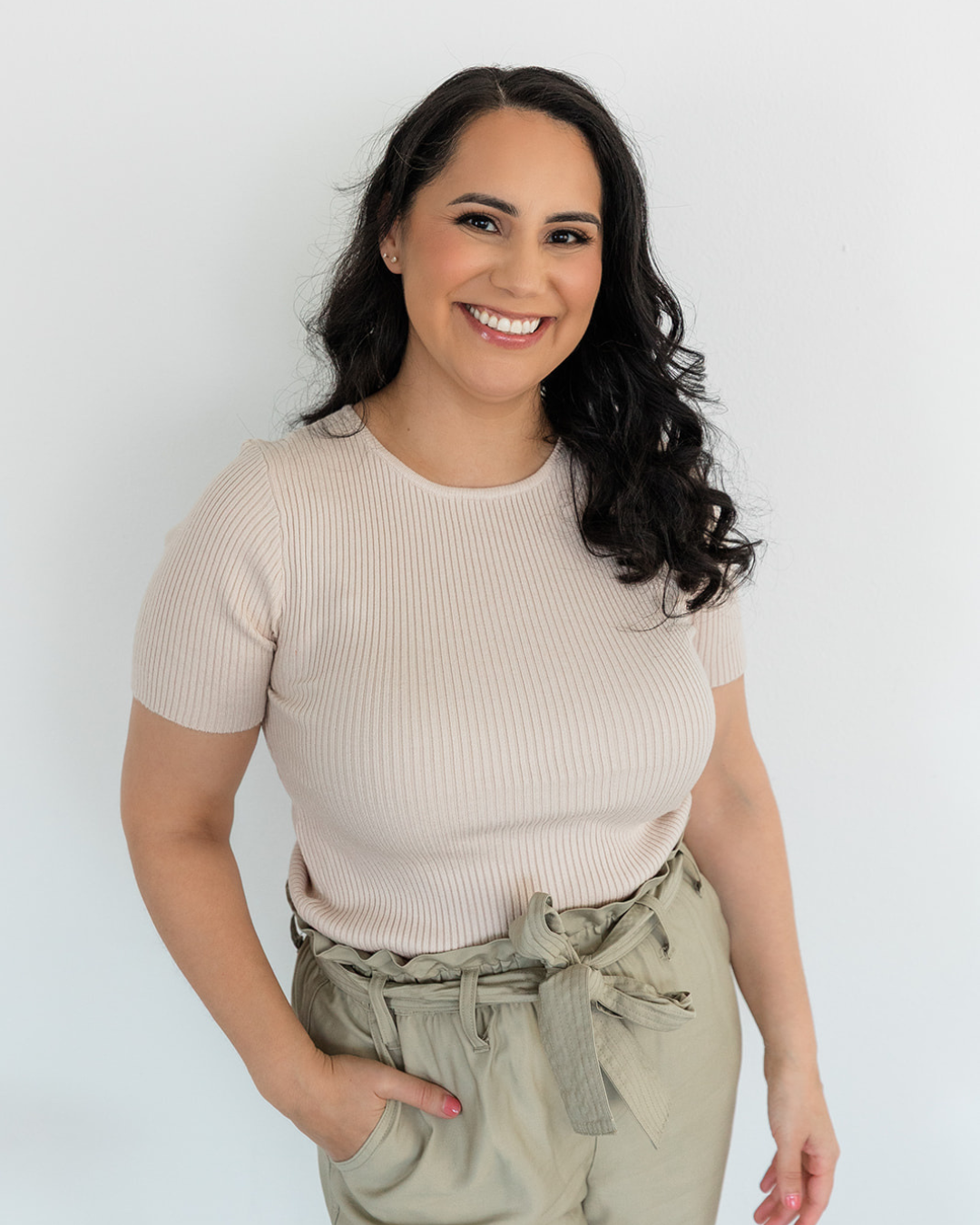
Hello! I'm Karla Hernández
LCSW perinatal and postpartum therapist serving women in Los Angeles and surrounding areas
I help new moms in Los Angeles navigate postpartum anxiety, depression, and the emotional shifts of motherhood. After experiencing my own struggles, I saw how much real support is missing for mothers. My practice is here to change that—offering trauma-informed, compassionate care that meets you exactly where you are. You don’t have to do this alone.
Book your C-section trauma therapy
- Intake (50 to 60 minutes) $200
- 50 minute individual therapy sessions are $200
- I accept Aetna and Cigna insurance
- Additionally I partner with Mentaya, who may help you get reimbursed for your therapy sessions through out of network benefits (I have a link to check benefits instantly to see if you qualify)
FAQ
What are the common symptoms of PTSD after a C-section?
Common symptoms include flashbacks or nightmares about the surgery, avoiding reminders of the birth, feeling constantly on edge, trouble sleeping, and feeling numb or disconnected from yourself or your baby. Some mothers also feel intense guilt or anger toward their body.
How do you know if you have PTSD from childbirth?
If memories of the birth keep intruding, you avoid anything that reminds you of it, and you feel on edge or numb for more than a month, it may be postpartum PTSD. A therapist trained in birth trauma can help you understand what you are experiencing and what will help.
How long does postpartum PTSD last?
Without support, postpartum PTSD can last for months or even years. With trauma focused therapy such as EMDR, many mothers notice meaningful relief within weeks to months. Every person heals at a different pace, and it is never too late to get help.
What is the hardest month of postpartum?
Many mothers say the first few months are the hardest because of sleep loss, physical recovery, and the adjustment to a new identity. After a cesarean, surgical recovery adds another layer. If you are still struggling later on, that is common too, and support is available whenever you need it.
Can C-sections cause problems later in life?
Your OB is the best person to talk with about long term physical effects of a cesarean. Emotionally, C-section trauma that is not addressed can linger and resurface during future pregnancies or medical visits. Processing it now can help you feel more at ease later.