Tips for dealing with postpartum rage, depression and anger as a new mom
If you are a new mom feeling waves of postpartum rage, depression, or anger that catch you off guard, you are not alone. Many women expect sadness or anxiety after birth, but anger often feels more confusing and more shame filled.
Postpartum rage, depression, and anger are deeply connected. They are different expressions of a nervous system under strain. When sleep is broken, hormones are shifting, and identity is changing overnight, emotions can feel bigger than your capacity to hold them.
My name is Karla Hernández, founder of Alma de Madre. For over a decade, I have supported mothers, especially Latinx and BIPOC women, through the raw realities of postpartum. I lived with postpartum depression myself, and I know how isolating it feels when joy is expected, but your heart feels heavy instead. Alma de Madre was created to be a place where you can be honest, cry without shame, and find trauma-informed therapy that meets you exactly where you are. If you think you may be experiencing postpartum rage, exploring postpartum rage therapy in Los Angeles might be helpful for you.
Below are practical mental health tips to help you navigate postpartum rage, depression, and anger with more clarity and less shame.
What is postpartum rage and what are its symptoms?
Postpartum rage refers to heightened feelings of anger or irritability that some mothers experience after giving birth.
After giving birth, your body and mind are adjusting to enormous changes. Sleep deprivation, hormonal shifts, emotional responsibility, and the constant demands of caring for a baby all place pressure on your nervous system. When there is no space to recover, anger often surfaces first.
In
postpartum rage therapy, many mothers describe feeling as if they are about to explode. In the therapy space, they often share how hard they try to stay calm, patient, and grateful, only to have one small moment push them past their limit. What follows is usually deep shame and self-doubt. This cycle can feel incredibly exhausting and isolating, especially when they believe they are the only ones experiencing it.
Common symptoms of postpartum rage include:
- Feeling easily triggered or overstimulated
- Yelling or snapping more than usual
- Slamming doors or throwing objects
- Feeling internal pressure that builds throughout the day
- Experiencing intense guilt after anger episodes
- Feeling constantly on edge
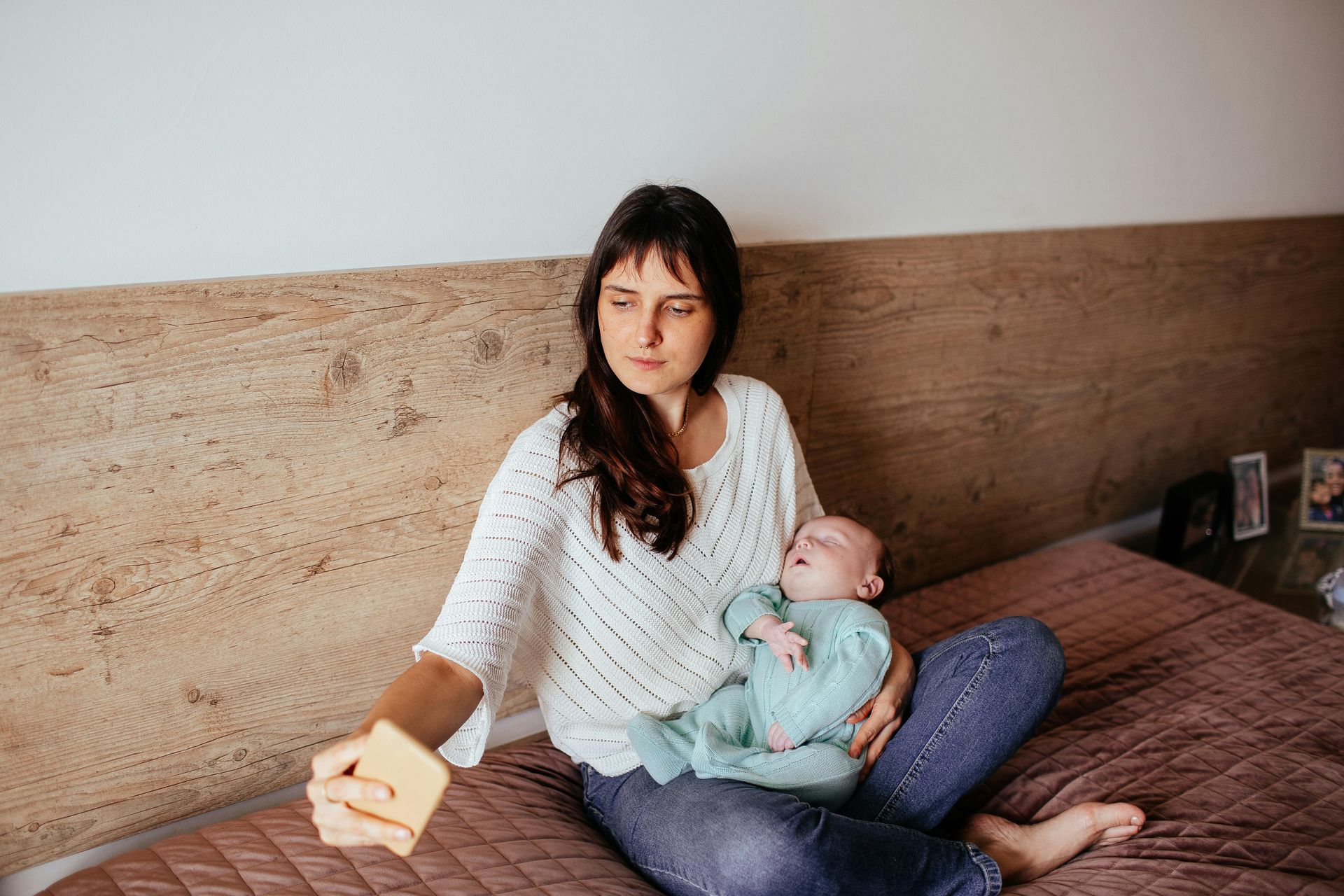
What is postpartum depression and what are its symptoms?
Postpartum depression is a mood condition that can develop after childbirth. It goes beyond temporary mood swings and can significantly affect how you feel, think, and function.
While postpartum depression is commonly associated with sadness, it can also show up as numbness, irritability, hopelessness, or disconnection. For some mothers, depression and rage coexist.
Common symptoms of postpartum depression include:
- Persistent sadness or heaviness
- Loss of interest in things you once enjoyed
- Feeling disconnected from your baby or yourself
- Changes in appetite or sleep
- Low energy and difficulty concentrating
- Feelings of worthlessness or excessive guilt
Research shows that one out of every four moms will experience some form of postpartum mental health condition after giving birth. If sadness or heaviness feels more present, you can learn more about our postpartum depression therapy services. You are not alone.
What is postpartum anxiety and what are its symptoms?
Postpartum anxiety involves excessive worry, fear, or intrusive thoughts after giving birth. It often overlaps with both postpartum depression and postpartum rage.
You may find yourself constantly checking on your baby, fearing worst-case scenarios, or feeling physically tense and unable to relax. Anxiety can fuel anger when your nervous system stays in survival mode for too long.
Symptoms of postpartum anxiety may include:
- Racing thoughts
- Difficulty sleeping even when the baby sleeps
- Muscle tension or restlessness
- Persistent fear about your baby’s safety
- Feeling unable to turn your mind off
Anger, depression, and anxiety are not separate boxes. They are different expressions of the nervous system overwhelm. If anxiety and intrusive thoughts are dominating your days, you can explore
postpartum anxiety therapy.

Anger vs depression vs postpartum anxiety and their coexistence
Postpartum rage centers on anger and irritability.
Postpartum depression centers on sadness, numbness, or hopelessness.
Postpartum anxiety centers on fear and constant worry.
But many mothers experience all three.
You might feel anxious about your baby’s health, depressed about losing parts of your identity, and furious about the lack of support around you. These emotions can rotate throughout the day.
Coexistence is common. Anger can protect against fear. Depression can deepen when anger turns inward as shame. Anxiety can intensify when you feel out of control of your reactions.
If you want to better understand how different postpartum mood experiences compare, you may also find it helpful to read Postpartum blues vs postpartum depression: Understanding the difference and when to seek help.
Is postpartum rage normal?
Postpartum rage is more common than most mothers realize, even though it is rarely talked about openly. There is limited research that looks at rage as its own postpartum experience, in part because it is often misunderstood or absorbed into broader categories like postpartum depression or anxiety.
What we do know is that postpartum mental health challenges are not uncommon.
For many moms, anger becomes one of the ways to overwhelm, exhaustion, and emotional pain surface when there has been too much pressure and not enough support. So while postpartum rage may not always be named directly, the experience behind it is shared by many women.
Why do postpartum rage, depression and anxiety happen after having a baby?
Motherhood is a biological, psychological, and relational shift all at once.
Sleep deprivation reduces emotional regulation quickly. Fragmented rest keeps your nervous system activated.
Hormone levels drop rapidly after birth, particularly estrogen and progesterone. These shifts influence mood stability and stress tolerance.
Identity transitions can feel destabilizing. You may grieve independence, career focus, or your previous routine.
Support gaps amplify everything. When expectations are high and help is limited, anger and depression surface as nervous system alarms.
These responses are not weak. They are adaptive reactions to massive change.
When should you seek professional help?
If postpartum rage, depression, or anxiety feel constant, frightening, or outside your control, professional support can help.
You may benefit from therapy if:
- You feel afraid of your reactions
- Guilt or shame dominate your thoughts
- Your anger is affecting relationships
- You feel emotionally numb or hopeless
- You experience intrusive or distressing thoughts
Organizations such as Postpartum Support International emphasize that early treatment leads to better outcomes for both mother and baby.
Seeking support is not failure. It is responsible care.
If you are looking for a
postpartum therapist in Whittier or nearby Los Angeles areas, you can explore our postpartum therapy services.
Mental health tips for dealing with postpartum rage, depression and anger as a new mom
Below are grounded mental health strategies you can begin using right away.
Regulate your body before analyzing your thoughts
When anger spikes, calm your nervous system first. Slow breathing, stepping outside, or placing one hand on your chest can lower activation.
Protect sleep wherever possible
Sleep is foundational for mood stability. Even small improvements in rest can reduce emotional intensity.
Lower stimulation early
Notice early signs of overwhelm and take brief resets before reaching your breaking point.
Speak your needs clearly
Resentment grows in silence. Specific requests for help prevent emotional buildup.
Challenge shame directly
After difficult moments, repair gently and move forward. Compassion interrupts the cycle of anger and depression.
Consider therapy as proactive support
In our perinatal and postpartum therapy work, we focus on nervous system safety, emotional processing, and realistic tools that fit into your daily life.
You do not have to reach a crisis point to deserve care.
Helpful support and resources for navigating postpartum mental health
Additional support can help you feel less alone and more understood. These resources offer education, community, and guidance for navigating postpartum mental health.
- Postpartum Support International
Offers education, free support groups, a provider directory, and a helpline for postpartum mental health concerns, including anger and overwhelm. Their resources are available in English and Spanish and are widely trusted in the perinatal mental health field. - Maternal Mental Health Leadership Alliance
A national organization focused on improving access to maternal mental health care. Their website includes educational resources and advocacy tools for families seeking support. - PSI Online Support Groups
Free virtual peer support groups facilitated by trained leaders, where mothers can connect with others experiencing similar postpartum challenges in a safe and supportive environment. - 988 Suicide and Crisis Lifeline
If you ever feel overwhelmed or unsafe, this confidential support line is available 24 hours a day in the United States by calling or texting 988. You do not need to be in crisis to reach out.
You are not a bad mother. You deserve support
You do not have to have it all figured out before you reach out. If anything you read here felt familiar, that is enough of a reason to take the next step. I offer perinatal and
postpartum therapy for mothers who are ready to stop surviving and start healing, with virtual sessions available for mothers throughout California. If you are lokking for
therapy in Whittier area or
therapy across Los Angeles, I would love to support you.

Hello! I'm Karla Hernández
LCSW perinatal and postpartum therapist serving women in Los Angeles and surrounding areas
I help new moms in Los Angeles navigate postpartum anxiety, depression, and the emotional shifts of motherhood. After experiencing my own struggles, I saw how much real support is missing for mothers. My practice is here to change that—offering trauma-informed, compassionate care that meets you exactly where you are. You don’t have to do this alone.