New mom anxiety: 15 practical strategies to feel calmer during early motherhood

May 20, 2026

Early motherhood can feel overwhelming in ways no one fully prepares you for. Along with love and connection, many new moms experience constant worry, tension, and a feeling of being on edge. If your mind feels busy all the time or you struggle to relax even when your baby is safe, you are not alone.


New mom anxiety is incredibly common, especially in the first weeks and months after having a baby. It does not mean you are doing something wrong. It often means your nervous system is adjusting to a huge life change with very little rest and a lot of responsibility.


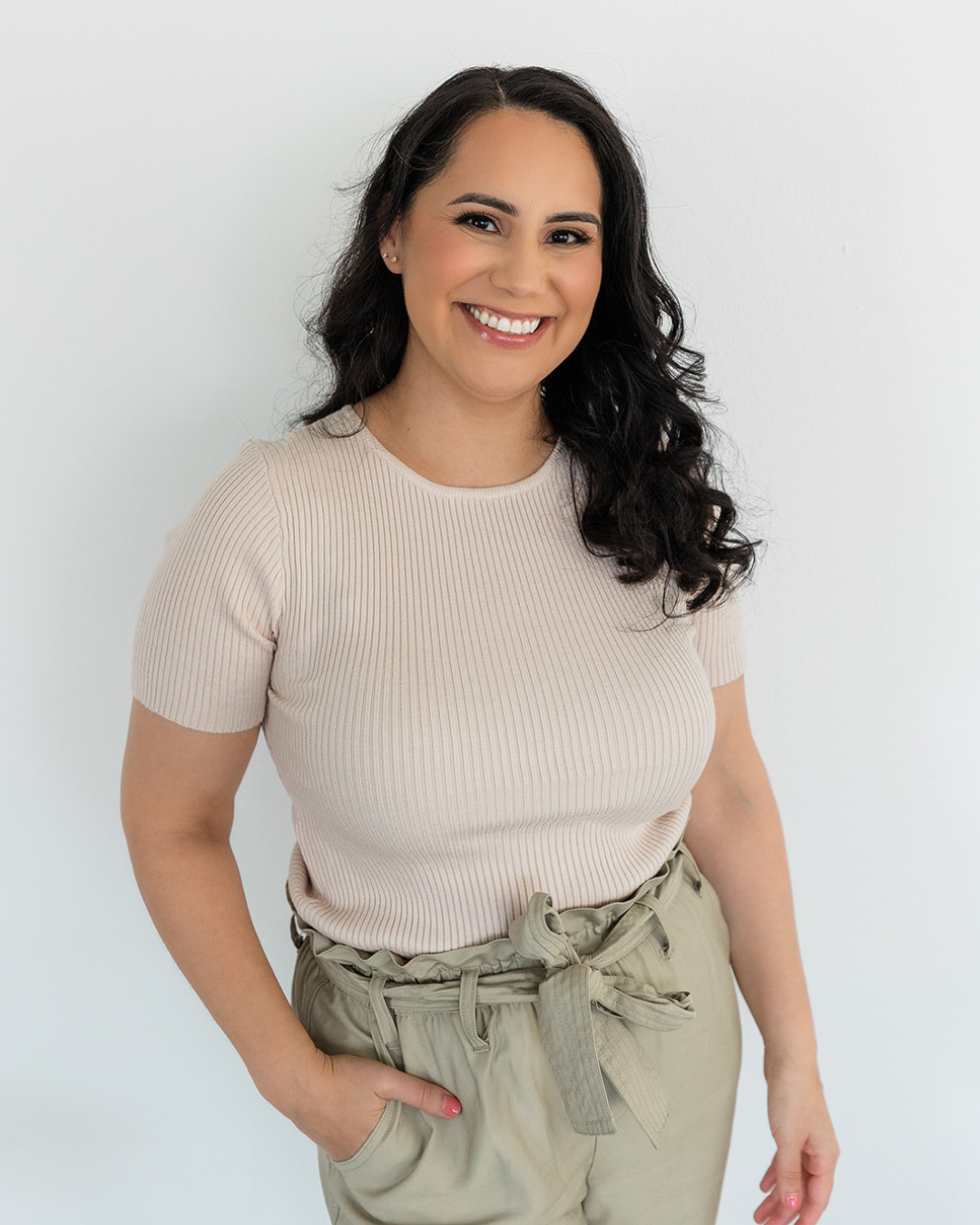
My name is Karla Hernández, founder of Alma de Madre. For over a decade, I have supported mothers, especially Latinx and BIPOC women, through the raw realities of postpartum. Alma de Madre was created to be a place where you can be honest, cry without shame, and find trauma-informed postpartum therapy that meets you exactly where you are. If you think you may be experiencing postpartum anxiety, exploring anxiety therapy might be helpful for you.


This guide offers 15 practical strategies to help you feel calmer, more grounded, and more supported during early motherhood.

A pregnant person sits on a bed, smiling and holding hands with a dachshund dog in a cozy bedroom with framed wall art.

How does anxiety feel for new moms?


New mom anxiety often shows up as a constant sense of alertness that feels hard to turn off. Even during quiet moments, your mind may stay busy, scanning for what could go wrong. Many mothers describe feeling tense, overwhelmed, or unable to fully relax, even when their baby is safe.


Signs and symptoms

New mom anxiety can look different for everyone, but common signs include:

  • Constant worry or overthinking about your baby’s safety or well-being
  • Feeling on edge or unable to relax
  • Difficulty resting, even when your baby is sleeping
  • Replaying decisions or conversations in your mind
  • Feeling responsible for everything that could go wrong
  • Struggling to trust yourself or your instincts as a mother

New mom anxiety vs postpartum anxiety: the main differences

New mom anxiety and postpartum anxiety are closely related, but they are not always the same experience.


New mom anxiety often appears early and is closely tied to adjustment. It is usually centered around learning, responsibility, and fear of making mistakes during early motherhood.


Postpartum anxiety tends to feel more intense and persistent. It may include physical symptoms, intrusive thoughts, or a constant sense of danger that does not ease over time. For some mothers, new mom anxiety naturally softens. For others, it can develop into postpartum anxiety if support is limited.

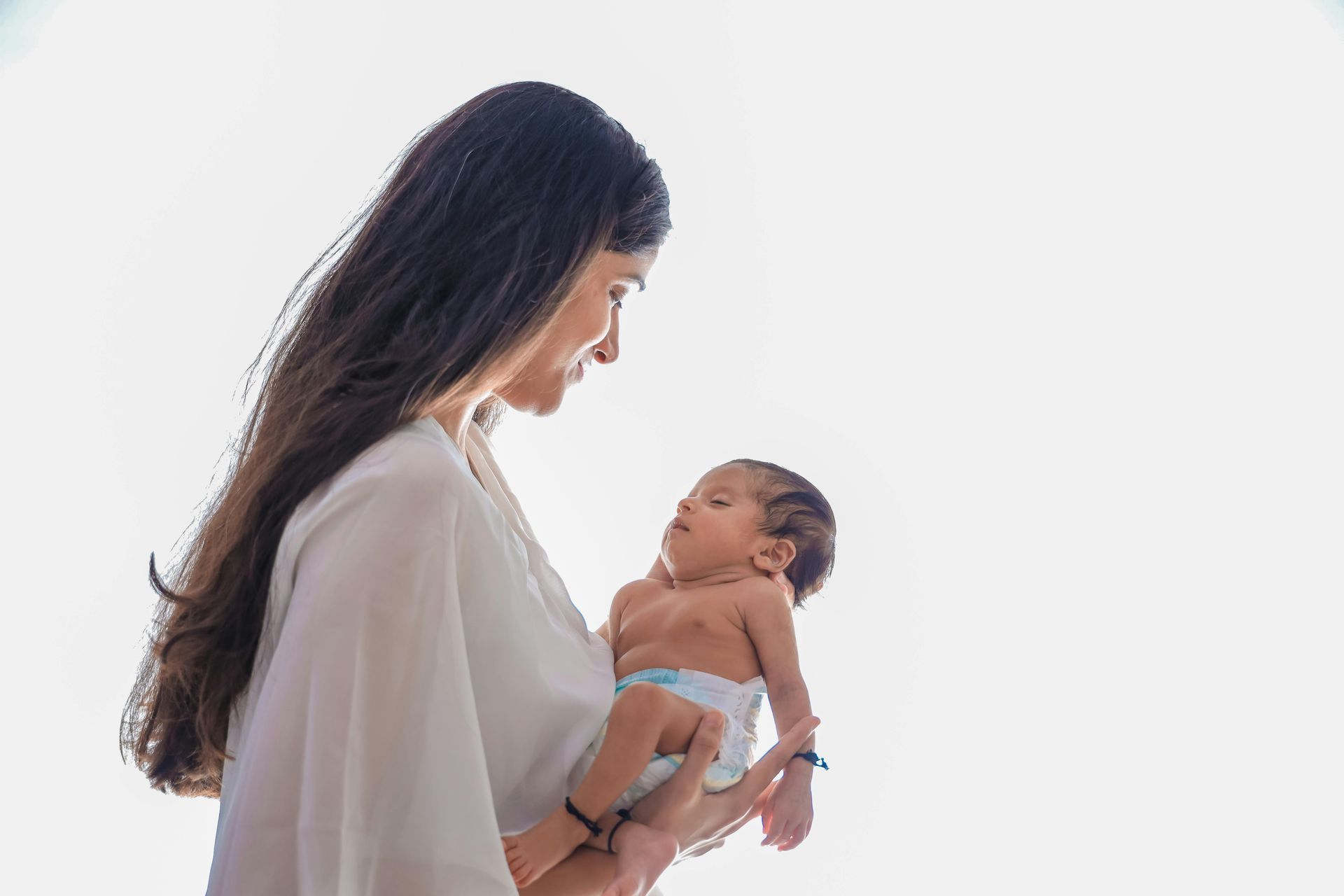
A woman with long dark hair holds a baby against a plain white background.

How long does postpartum anxiety last?

Postpartum anxiety does not follow a neat timeline. For some new moms, anxiety softens within the first few months as hormones stabilize and routines feel more predictable. For others, it lingers much longer, especially if sleep remains disrupted or support is limited.

Mild worry in the early postpartum period can be common. But postpartum anxiety becomes concerning when it feels constant, intrusive, or difficult to control.


If your anxiety has lasted more than a few weeks, feels like it is increasing instead of decreasing, or is interfering with sleep, bonding, or daily functioning, that is a sign you deserve additional support.  You can explore postpartum anxiety therapy to learn how we help new mothers reduce racing thoughts, calm nighttime anxiety, and rebuild a sense of internal safety during the postpartum period.


Why does postpartum anxiety happen?

Postpartum anxiety is not random. It has clear biological and psychological roots.


Hormonal shifts

After giving birth, estrogen and progesterone levels drop rapidly. These hormonal shifts affect mood regulation and stress response.


When your system is already vulnerable from physical recovery, sudden hormonal changes can make you feel more emotionally reactive, sensitive, or on edge.


Sleep deprivation

Broken sleep significantly impacts anxiety.


Even a few nights of fragmented rest can increase racing thoughts, physical tension, and emotional reactivity. When sleep disruption continues, your nervous system remains in a heightened state of alert.


This is one of the most common drivers of postpartum anxiety.


Identity shift

Becoming a mother is a profound identity transition.


You may feel pressure to get everything right. You may question your instincts. You may grieve parts of your former independence.


That internal pressure and uncertainty can fuel anxiety, especially when you feel responsible for someone who depends on you completely.


Responsibility overload

New motherhood comes with constant responsibility.


You are making decisions all day long. Feeding, soothing, scheduling, monitoring. The weight of keeping your baby safe can activate hypervigilance.


When responsibility feels constant, and there is little room to rest, anxiety can become chronic.

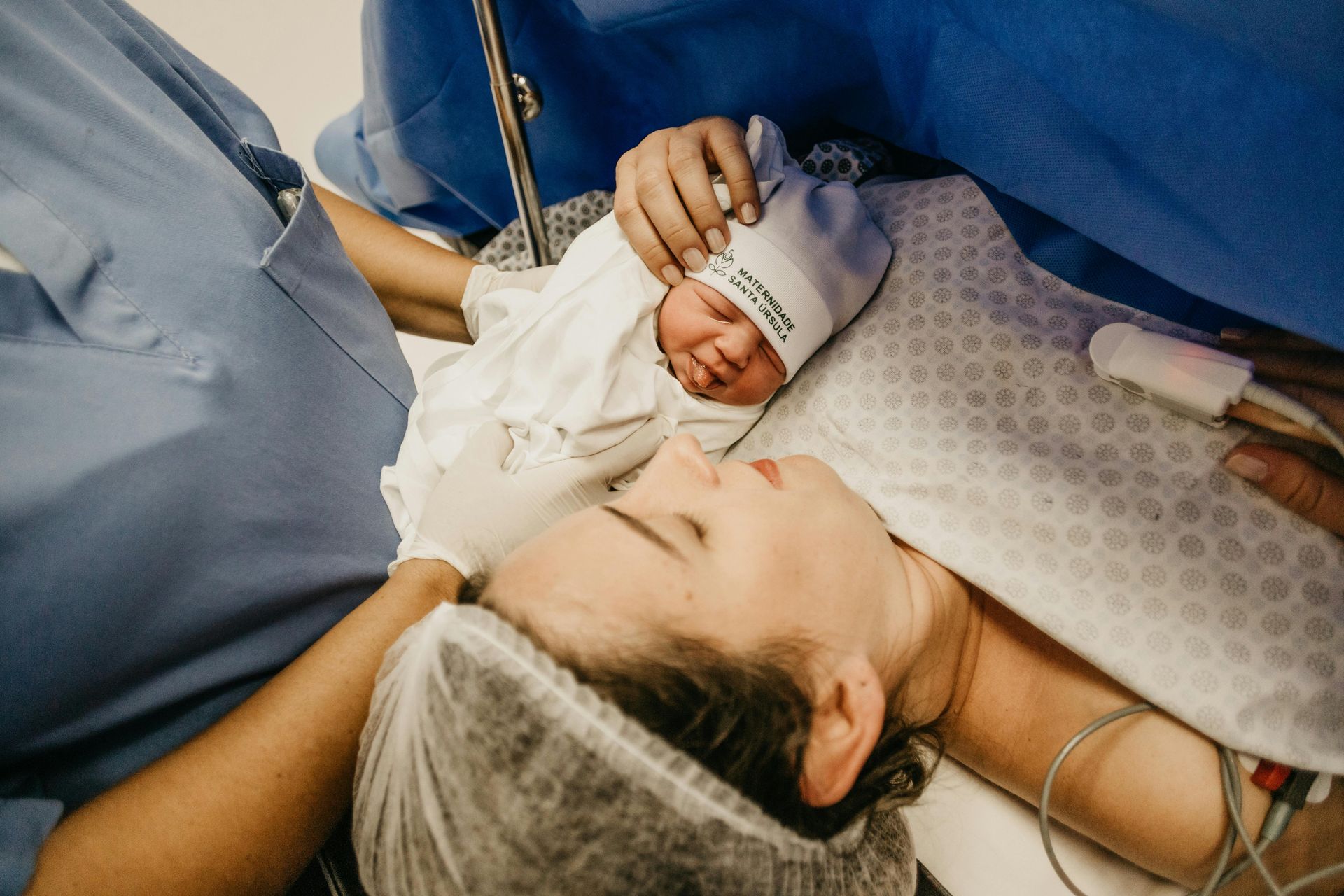
A healthcare worker holds a newborn baby wearing a cap above a person lying down in a hospital bed.

15 practical strategies to feel calmer as a new mom


1. Name what you are feeling

Anxiety tends to grow when it stays unspoken. Simply naming that you feel anxious or overwhelmed can reduce its intensity and help you feel less alone.


2. Reduce information overload

Constantly searching online for answers can increase anxiety. Try limiting how often you look up information and choose one or two trusted sources instead.


3. Focus on good enough parenting

Perfection is not required. Your baby needs a responsive, caring parent, not a perfect one. Let go of unrealistic standards whenever possible.


4. Build in small moments of rest

Rest does not have to mean hours of sleep. Even a few minutes of quiet, deep breathing, or stepping outside can help your nervous system reset.


5. Eat regularly and stay hydrated

Low blood sugar and dehydration can worsen anxiety. Gentle nourishment throughout the day can make a noticeable difference in how you feel.


6. Get support with daily tasks

You do not have to do everything yourself. Accepting help with meals, laundry, or errands can reduce mental and emotional load.


7. Limit comparison

Social media often shows a polished version of motherhood. Remember that what you see online rarely reflects the full reality of early parenting.


8. Practice grounding techniques

Simple grounding tools like placing your feet on the floor, noticing your breath, or naming what you see around you can bring you back into the present moment.


9. Lower expectations during this season

Early motherhood is a time of adjustment, not peak productivity. Allow yourself to slow down and do less.


10. Talk to someone who listens without judgment

Sharing your experience with a trusted friend, partner, or therapist can help anxiety feel lighter and more manageable.


11. Notice your anxiety triggers

Pay attention to what situations, thoughts, or times of day increase anxiety. Awareness can help you respond with more compassion instead of self-criticism.


12. Create predictable routines where possible

Gentle routines can help your nervous system feel safer, even if your days still feel unpredictable.


13. Move your body gently

Light movement, stretching, or short walks can help release tension and support emotional regulation.


14. Give yourself permission to enjoy moments of calm

Feeling calm does not mean something bad will happen. It is okay to enjoy peaceful moments without staying on guard.


15. Reach out for professional support if needed

If anxiety feels constant, overwhelming, or hard to manage, therapy can offer relief and guidance. You do not have to wait until things feel unbearable.


When to consider extra support

You do not have to have it all figured out before you reach out. If anything you read here felt familiar, that is enough of a reason to take the next step. I offer perinatal and postpartum therapy for mothers who are ready to stop surviving and start healing, with virtual sessions available for mothers throughout California. If you are lokking for therapy in Whittier area or therapy across Los Angeles, I would love to support you.

karla hernandez

Hello! I'm Karla Hernández

LCSW perinatal and postpartum therapist serving women in Los Angeles and surrounding areas

I help new moms in Los Angeles navigate postpartum anxiety, depression, and the emotional shifts of motherhood. After experiencing my own struggles, I saw how much real support is missing for mothers. My practice is here to change that—offering trauma-informed, compassionate care that meets you exactly where you are. You don’t have to do this alone.

Karla hernandez freebie
postpartum anxiety symptoms
May 6, 2026
If you find think something is wrong with you, you are not alone. Learn the postpartum anxiety symptoms and how therapy can help new mothers in Los Angeles.
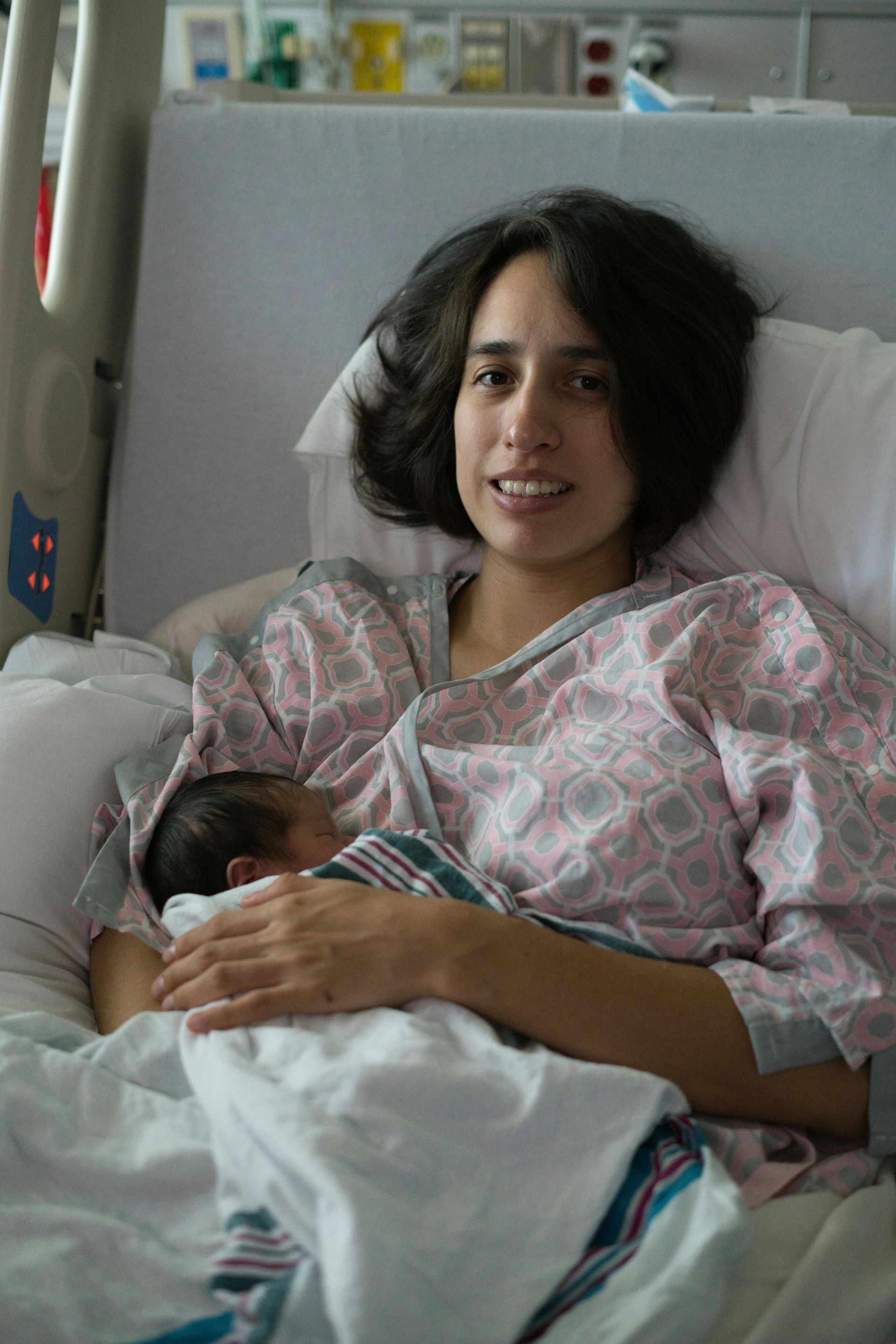
A person wearing a hospital gown rests in a hospital bed, looking at the camera while holding a newborn infant.
April 15, 2026
Postpartum rage, depression and anger can feel overwhelming as a new mom. Learn grounded mental health tips and how therapy in Los Angeles can help you feel better.
A pregnant person in a white lace robe stands by a window in a dimly lit room, gently holding their abdomen.
April 2, 2026
Learn how to manage pregnancy anxiety with grounding tips that support your mental health during each trimester. Because you deserve to feel calm and connected.
A parent lies on a hospital bed while a medical professional presents their newborn baby, who wears a hospital cap.
January 21, 2026
Learn the difference between baby blues and postpartum depression. Know the symptoms, timeline, and when to seek therapy.
best treatment for postpartum depression
January 14, 2026
Learn the best treatment options for postpartum depression. Evidence-based therapy and community support to help mothers recover in Los Angeles
A person rests their head on their arms at a table, gazing thoughtfully toward a glass of water in the foreground.
December 30, 2025
Find pregnancy loss support groups in Los Angeles. Discover compassionate spaces for miscarriage, stillbirth, and infant loss to feel less alone in grief.