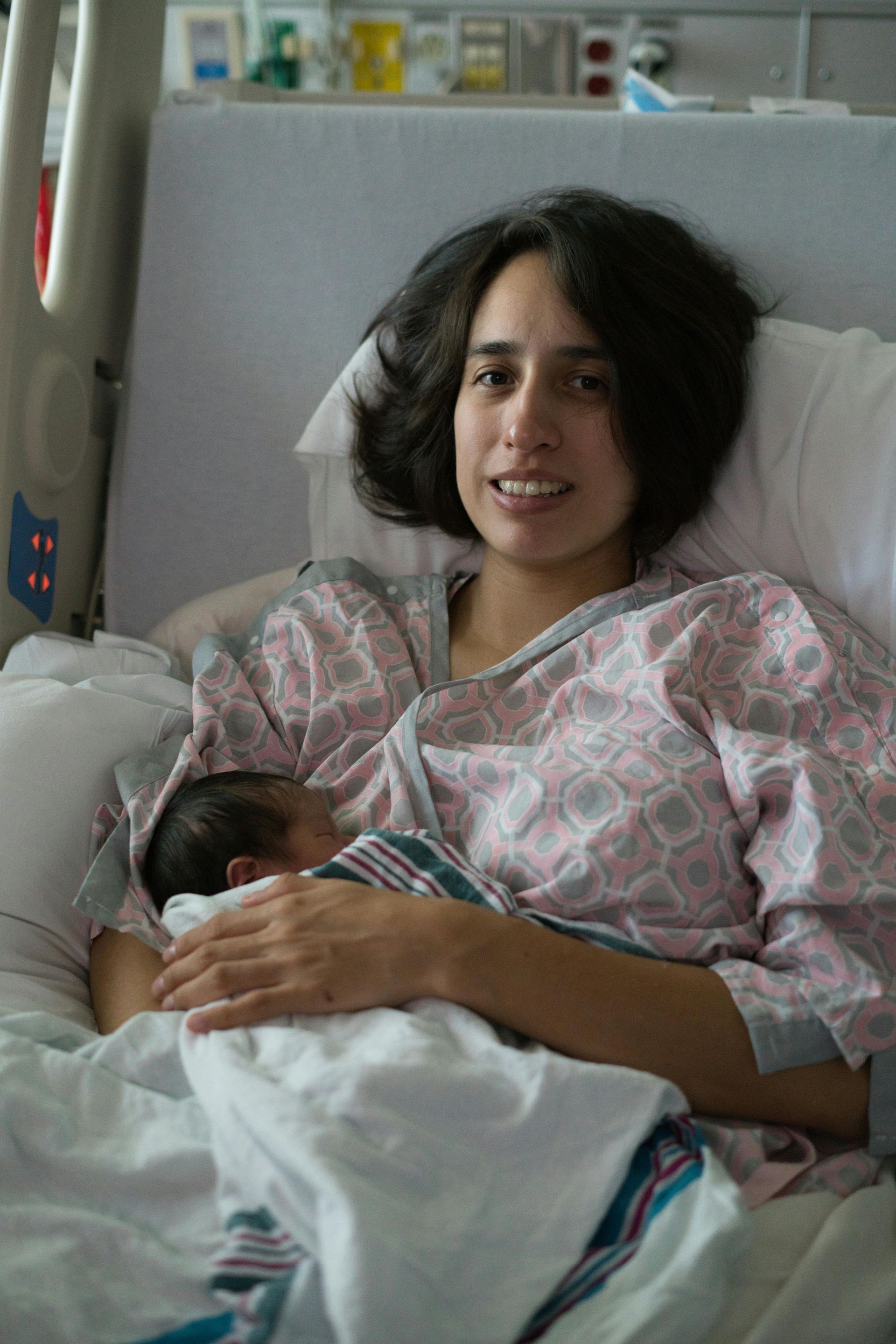
Postpartum anxiety symptoms explained: And how to cope with becoming a new mom
After having a baby, many mothers expect to feel tired, emotional, and unsure at times. What they do not expect is to feel constantly on edge, fearful, or stuck in cycles of worry that will not quiet down. If you find yourself thinking something is wrong with you or wondering why you cannot relax, you are not alone.
Postpartum anxiety symptoms are more common than most mothers realize, yet they often go unrecognized. Many women struggle in silence, believing they should be able to handle everything on their own. What you may actually be experiencing is a very real and treatable postpartum mental health condition.
My name is Karla Hernández, founder of Alma de Madre. For over a decade, I have supported mothers, especially Latinx and BIPOC women, through the raw realities of postpartum. Alma de Madre was created to be a place where you can be honest, cry without shame, and find trauma-informed therapy that meets you exactly where you are. If you think you may be experiencing postpartum anxiety, exploring postpartum anxiety therapy might be helpful for you.
This article will help you understand postpartum anxiety symptoms, how they show up, and when support can make a meaningful difference.
What is postpartum anxiety?
Postpartum anxiety involves intense and persistent worry that can develop after giving birth. Moms experiencing postpartum anxiety may feel constantly on edge and nervous. While it is normal to feel protective and alert as a new parent, postpartum anxiety often feels overwhelming and constant. It can affect your thoughts, your body, and your ability to feel safe or present. Many mothers do not realize that what they are experiencing has a name, which can make the experience feel even more isolating.

Is postpartum anxiety normal?
Postpartum anxiety is more common than many mothers realize. Research shows that roughly one out of every five moms experiences postpartum anxiety.
What causes postpartum anxiety?
Postpartum anxiety does not have a single cause. It usually develops from a combination of biological, emotional, and situational factors that come together during the postpartum period.
Some common contributors include:
- Hormonal shifts after childbirth or adoption that affect mood and stress regulation
- Ongoing sleep deprivation, which can intensify anxiety and make it harder to cope
- The emotional adjustment to caring for a newborn and the weight of new responsibilities
- Major life changes, including shifts in identity, relationships, and daily routines
- Feeling isolated or lacking consistent emotional or practical support
Risk factors for postpartum anxiety
While postpartum anxiety can affect anyone, certain factors may increase the likelihood of experiencing it. These risk factors do not mean anxiety is inevitable, but they can make someone more vulnerable during the postpartum period.
Risk factors may include:
- A personal or family history of anxiety, depression, or other mental health conditions
- Previous pregnancy or postpartum mental health challenges
- High stress during pregnancy, childbirth, or the early postpartum period
- Limited support from partners, family, or community
- Traumatic birth experiences or medical complications
- Perfectionism or high internal pressure to do everything “right” as a parent
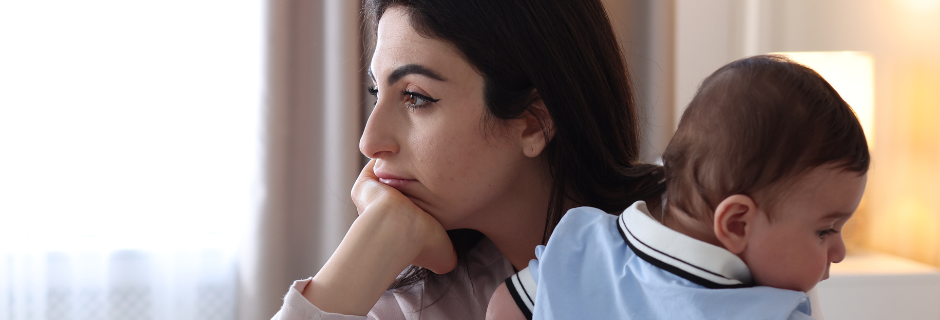
Wondering if you have postpartum anxiety? Common postpartum anxiety symptoms and signs to look for
Postpartum anxiety is not just being a “worried mom.” It is when your nervous system feels like it cannot power down.
You may look functional from the outside. You are caring for your baby. You are managing the house. You are doing what needs to be done. But internally, your mind feels loud, fast, and relentless.
Postpartum anxiety often shows up as:
- Constant mental noise that never fully quiets
- Worry that escalates quickly into worst case scenarios
- Overanalyzing every small decision about your baby
- Difficulty sleeping even when you are exhausted
- Feeling physically tense or unable to fully relax
But what many mothers struggle to name is the internal pressure.
- You may feel like you have to get everything right.
- You may feel responsible for preventing every possible risk.
- You may feel on edge, scanning for what could go wrong.
And even when nothing is happening, your body may still feel activated. Tight chest. Shallow breathing. Upset stomach. A sense that something bad is about to happen.
Postpartum anxiety is exhausting because it rarely pauses.
It can also feed into postpartum rage. When your nervous system has been in a constant state of alert for hours or days, it does not take much to tip into anger. What looks like irritability is often accumulated fear.
At the same time, anxiety can coexist with postpartum depression. You may feel both wired and depleted. Restless but hopeless. Alert but emotionally drained.
This is why so many mothers feel confused about what they are experiencing. It does not fit into one neat category.
If you are questioning whether what you are feeling is “normal,” that question alone tells me your system is under strain. And strain deserves support, not self criticism. If you are in Whittier or the greater Los Angeles area and looking for a postpartum therapist who understands how anxiety, rage, and depression overlap, I invite you to explore our postpartum therapy services.
Postpartum anxiety and intrusive thoughts
One of the most distressing postpartum anxiety symptoms for many mothers is intrusive thoughts.
Intrusive thoughts are unwanted and repetitive thoughts or images that can feel alarming or upsetting. They often involve worst-case scenarios or fears of harm. These thoughts do not reflect your desires or intentions, but they can still cause intense distress.
Many mothers feel afraid to talk about intrusive thoughts because they worry about being judged. In reality, intrusive thoughts are a common anxiety response and do not mean you want to harm your baby.
Postpartum anxiety vs postpartum depression
Postpartum anxiety and postpartum depression are different experiences, though they often overlap.
Postpartum depression is commonly associated with sadness, numbness, hopelessness, or loss of interest. Postpartum anxiety tends to center around fear, constant worry, and mental hypervigilance. Some mothers experience one, while others experience both at the same time.
Because anxiety can look like being cautious or responsible, it is often overlooked. Both experiences deserve understanding and support.
Do you need support? Signs of postpartum anxiety may be telling you it is time for help
You may benefit from support if anxiety feels like it is taking over your daily life. You might notice:
- Feeling unable to relax or feel safe in your own body
- Anxiety interfering with sleep, relationships, or decision-making
- Constant fear that something bad will happen
- Feeling disconnected from yourself or your joy
- Feeling stuck in cycles of worry or control
How to cope with postpartum anxiety?
Postpartum anxiety is not solved by “thinking positive.” It is supported through nervous system regulation, boundaries, and sustainable support. Here are grounded ways to begin.
Talk openly before anxiety turns into isolation
Anxiety grows in silence. When worries stay internal, they often become louder and more distorted. Sharing honestly with a therapist, partner, or trusted friend can reduce the intensity. You do not need perfect words. Simply saying, “I have been feeling constantly on edge,” is enough to open the door.
Protect your nervous system from information overload
One of the most common patterns in postpartum anxiety is compulsive researching. Searching for symptoms. Comparing milestones. Looking for reassurance online.
While information can be helpful, constant exposure increases fear and comparison. Choose one or two trusted sources. Step away from scrolling when you notice your chest tightening.
Mental clarity requires limits.
Create micro-moments of regulation
You do not need an hour-long self care routine. You need short, consistent resets.
Step outside for fresh air. Put your feet on the ground and take five slow breaths. Drink water slowly and intentionally.
These small moments tell your body that it is safe. And safety is the foundation of anxiety recovery.
Reduce the pressure to control everything
Anxiety often convinces you that if you just manage everything perfectly, nothing bad will happen.Practice tolerating small uncertainty. Allow a routine to shift slightly. Let someone else soothe the baby. Each small release teaches your nervous system that flexibility does not equal danger.
Ask for help before resentment builds
When anxiety and exhaustion combine, irritability often follows. This is where postpartum rage can surface.Instead of waiting until you are overwhelmed, ask for tangible support. Meals. Laundry help. Childcare coverage for an hour. Accepting help is regulation, not weakness.
Support your body as much as your mind
Anxiety is physical. It lives in your chest, shoulders, stomach, and breath.Focus on basic needs without guilt. Nourishment. Hydration. Gentle movement. Rest when possible.
When your body feels slightly more supported, your thoughts often soften too.
Notice patterns without self blame
Instead of criticizing yourself for feeling anxious, become curious.
- When does it spike?
- Is it worse at night?
- After conflict?
- When you are sleep deprived?

Finding postpartum anxiety support in Los Angeles and nearby areas
Living in Los Angeles can come with unique stressors during the postpartum period. The pace of life, limited family support nearby, work demands, traffic, and the pressure to “do it all” can intensify postpartum anxiety symptoms. Finding support that understands both postpartum mental health and the realities of parenting in Los Angeles can make a meaningful difference.
The good news is that postpartum anxiety is treatable, and support is available through different therapeutic and community-based options.
Types of treatment for postpartum anxiety
Treatment for postpartum anxiety is not one size fits all. For many people, therapy alone is enough to bring relief. Others may benefit from a combination of therapy and medication, especially when anxiety feels severe or persistent.
Treatment options may include talk therapy, nervous system-based approaches, and coping strategies tailored to postpartum life. A healthcare provider can help you explore what level of support feels right for you and adjust treatment as your needs change.
How does postpartum anxiety therapy work?
Postpartum anxiety therapy focuses on helping you feel safer in your body and calmer in your mind.
In therapy, we work on understanding how anxiety shows up in your thoughts, emotions, and nervous system. Sessions often focus on helping your body move out of constant alert mode, identifying patterns that keep anxiety going, and building tools that help you feel more grounded in daily life. Over time, therapy can help anxiety feel less overwhelming and easier to manage.
Why local support in Los Angeles matters
Working with a provider who understands postpartum mental health and the local context of Los Angeles can be especially helpful. Local providers are familiar with the challenges many parents face here, including limited community support, long work hours, and the emotional strain of balancing parenting with other responsibilities.
I specialize in postpartum anxiety therapy in Los Angeles, helping new mothers find relief from constant worry, fear, and intrusive thoughts so they can feel more present and at peace.
Additional support beyond therapy
Therapy is one important form of support, but it does not have to be the only one. Many people find relief through postpartum support groups, trusted community resources, or leaning on family and friends when possible.
Building a support system can include involving a partner in conversations about mental health, asking for practical help, or connecting with others who understand the postpartum experience. Feeling less alone often reduces the intensity of anxiety.
Taking the first step toward support
If you are wondering whether you need support, that curiosity alone is often a sign that it may be helpful. You do not need to wait until anxiety feels unbearable to reach out.
You do not have to have it all figured out before you reach out. If anything you read here felt familiar, that is enough of a reason to take the next step. I offer perinatal and
postpartum therapy for mothers who are ready to stop surviving and start healing, with virtual sessions available for mothers throughout California. If you are lokking for
therapy in Whittier area or
therapy across Los Angeles, I would love to support you.

Hello! I'm Karla Hernández
LCSW perinatal and postpartum therapist serving women in Los Angeles and surrounding areas
I help new moms in Los Angeles navigate postpartum anxiety, depression, and the emotional shifts of motherhood. After experiencing my own struggles, I saw how much real support is missing for mothers. My practice is here to change that—offering trauma-informed, compassionate care that meets you exactly where you are. You don’t have to do this alone.