Help for postpartum depression: finding real and compassionate support in Los Angeles
When the joy feels missing
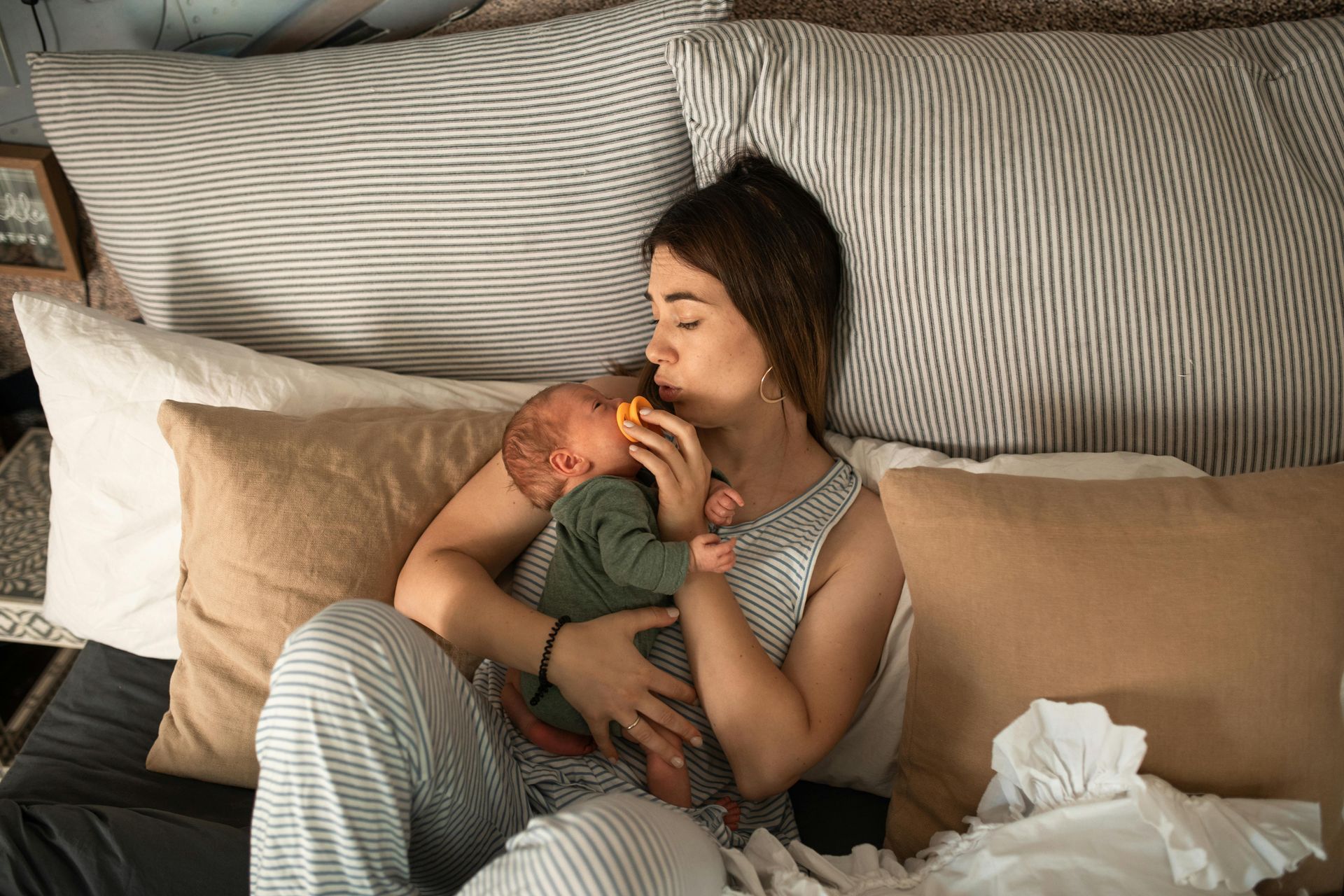
It is 3 AM. You are rocking your baby, who will not stop crying. Your body aches, your mind is foggy, and you cannot remember the last time you ate without rushing. Everyone told you this would be the most beautiful stage of your life. Instead, you are overwhelmed, exhausted, and secretly wondering if you made a mistake. You love your baby, but you also feel like you are disappearing.
If this sounds familiar, you may be experiencing postpartum depression (PPD). According to UNICEF, PPD is one of the most common complications after childbirth, yet too often it remains hidden behind forced smiles. The truth is, you are not broken. And most importantly, you are not alone.
In case we have not met, I am Karla Hernández, a therapist for postpartum depression and founder of Alma de Madre. For over a decade, I have supported mothers through the exhaustion, anxiety, and identity shifts that follow birth, particularly Latinx and BIPOC moms in hospitals, clinics, and homes. My passion comes from lived experience. Even after a beautiful birth, I struggled with postpartum anxiety and depression myself, which showed me how much we expect mothers to carry alone. At Alma de Madre I offer trauma-informed, person-centered therapy that meets you exactly where you are. Because you were never meant to do this alone, and you do not have to anymore.
Understanding postpartum depression
What postpartum depression really is (beyond the baby blues)
The baby blues affect up to 80 percent of new mothers. Symptoms include mood swings, irritability, and tearfulness in the first two weeks postpartum. These usually resolve on their own. But when symptoms persist for weeks or months, feel heavier, or interfere with daily functioning, it may be postpartum depression. Unlike the baby blues, PPD requires professional care to support recovery.
Symptoms mothers rarely say out loud
- Persistent sadness or emptiness
- Loss of interest in once-enjoyed activities
- Feelings of worthlessness, guilt, or inadequacy
- Difficulty bonding with the baby
- Insomnia, even when the baby is sleeping
- Changes in appetite or energy
- Difficulty concentrating or making decisions
- Intrusive or frightening thoughts
UNICEF emphasizes that symptoms vary widely. Some mothers may appear to be coping well but internally feel detached or hopeless.
Why it is more common than women realize
According to JAMA Network Open, nearly one in seven new mothers in the United States experiences postpartum depression. Cultural pressure to be the perfect mom often silences those struggling, which delays care and increases suffering.

Risk factors for postpartum depression
As UNICEF highlights, postpartum depression is influenced by many factors:
- A personal or family history of depression or anxiety
- A traumatic or complicated pregnancy or birth
- Lack of emotional or practical support
- Stressful life circumstances, including financial struggles or housing insecurity
- Experiencing violence, discrimination, or marginalization
- A baby with health complications or special needs
These risk factors do not guarantee that a mother will experience PPD, but they increase vulnerability. Understanding them is key to prevention and early intervention.
How long does postpartum depression last
Typical duration if left untreated
PPD does not simply go away on its own. Without treatment, it can persist for months or even years, affecting both the mother’s well-being and the baby’s development.
Why getting help early matters
Women’s Health explains that early diagnosis and support lead to faster and more complete recovery. UNICEF also warns that untreated depression can interfere with bonding, breastfeeding, and child development.
Does postpartum depression go away
The difference between waiting it out and seeking support
Yes, postpartum depression can improve, but waiting it out often prolongs pain and isolation. Healing requires support, care, and sometimes medical treatment.
How treatment changes the journey
With therapy, support groups, and when necessary, medication, the journey becomes lighter. Mothers begin to reclaim energy, self-worth, and confidence.

How to get help for postpartum depression in Los Angeles, and who to see if you think you might be experiencing it
Please do not wait in silence. Help exists, and you deserve it.
Talk to your doctor or OB-GYN for screening and referral
Your OB-GYN or primary care provider can screen you for postpartum depression and connect you with maternal mental health specialists in your area. Tell them how you truly feel. You do not have to minimize your symptoms or wait until they become unbearable.
Begin therapy with a maternal mental health specialist
Therapy is one of the most effective ways to begin healing. You can start by reaching out to a professional who specializes in postpartum depression therapy, someone who understands the physical, hormonal, and emotional transitions you are experiencing.
At Alma de Madre, I offer a therapeutic space where you do not have to fake joy or hide your pain. Here, you can be fully honest about your exhaustion, fears, or guilt, and know you will be met with compassion. Our trauma-informed, person-centered therapy complements medical care by addressing not only symptoms but also the deeper layers of identity, self-worth, and healing that often get overlooked.
Seek local support groups and community resources in Los Angeles
You are not alone in this, even if it feels that way. Los Angeles has a strong network of organizations and groups that offer both in-person and online spaces for mothers who are struggling.
Local and national support options include:
- Postpartum Support International (PSI) Online Groups: Free weekly virtual meetings for pregnancy, postpartum depression, anxiety, and grief.
- Postpartum Health Alliance Groups: Online spaces led by professionals to connect, share, and heal.
- Perinatal Support for Latinx Moms & Birthing People: A welcoming online group for anyone who is pregnant or up to two years postpartum and identifies with Latinx culture. Sessions are in English (no perfect fluency required).
Immediate help and hotlines
If you ever feel unsafe with your thoughts or need support right now, please reach out. You are not a burden. Someone is always ready to listen.
- 988 Suicide & Crisis Lifeline: Call or text 988 for 24/7 free and confidential help.
- Los Angeles County Department of Mental Health (DMH): Call (800) 854-7771 for mental health assistance.
- LA County Crisis Text Line: Text “LA” to 741741 to connect with a counselor via text.
- 211LA: Dial 211 to access local health and community services.
At Alma de Madre, we believe that asking for help is one of the most courageous things you can do. Therapy is not about fixing you; it is about accompanying you through the truth of what you feel and helping you find steadiness again.
You can explore postpartum depression therapy to take the first step toward feeling like yourself once more.
What can help day by day
- Asking for help without apology
- Allowing yourself to rest without guilt
- Doing one nourishing thing for yourself daily
- Reducing comparison on social media
- Building and nurturing a support network that truly supports
Tips for navigating postpartum depression
- Speak openly with your partner, family, or close friends
- Remember that needing support does not make you weak
- Allow yourself to grieve your old life while embracing your new one
- Trust that struggling does not make you a bad mother, it makes you human
You are not failing, you are carrying too much alone
If you feel like you are drowning, it is not because you are failing. It is because our culture has never been designed to support mothers the way they need.
At Alma de Madre, we remind every mom who walks through our doors: you are not a bad mother for struggling. You are enough. And you do not have to do this alone.
Take the first step toward healing. Book a session today and discover compassionate help for
postpartum depression in Los Angeles.

Hello! I'm Karla Hernández
LCSW perinatal and postpartum therapist serving women in Los Angeles and surrounding areas
I help new moms in Los Angeles navigate postpartum anxiety, depression, and the emotional shifts of motherhood. After experiencing my own struggles, I saw how much real support is missing for mothers. My practice is here to change that—offering trauma-informed, compassionate care that meets you exactly where you are. You don’t have to do this alone.